THE NUMBER $10.3 trillionProjected US spending on data centers and AI from 2025 through 2032. That's economist Stijn van Nieuwerburgh's estimate, or 3.6% of GDP a year. THE SETUP The AI build is on track to be the biggest economic bet in US history. Treasuries had their worst day in nearly 18 months. Blackstone shelved a $3 billion deal after buyers balked at old PE stakes, people familiar said. Australia says an OpenAI agent breached a government portal in June. PMD LENS This window tracked the pieces. AI debt priced wider than other credit. A market signal last seen in 1999. A boom that lifts yields. Strain in private credit. This morning names what they share: one industry's build, much of it on debt. PMD SIGNAL TRACKER 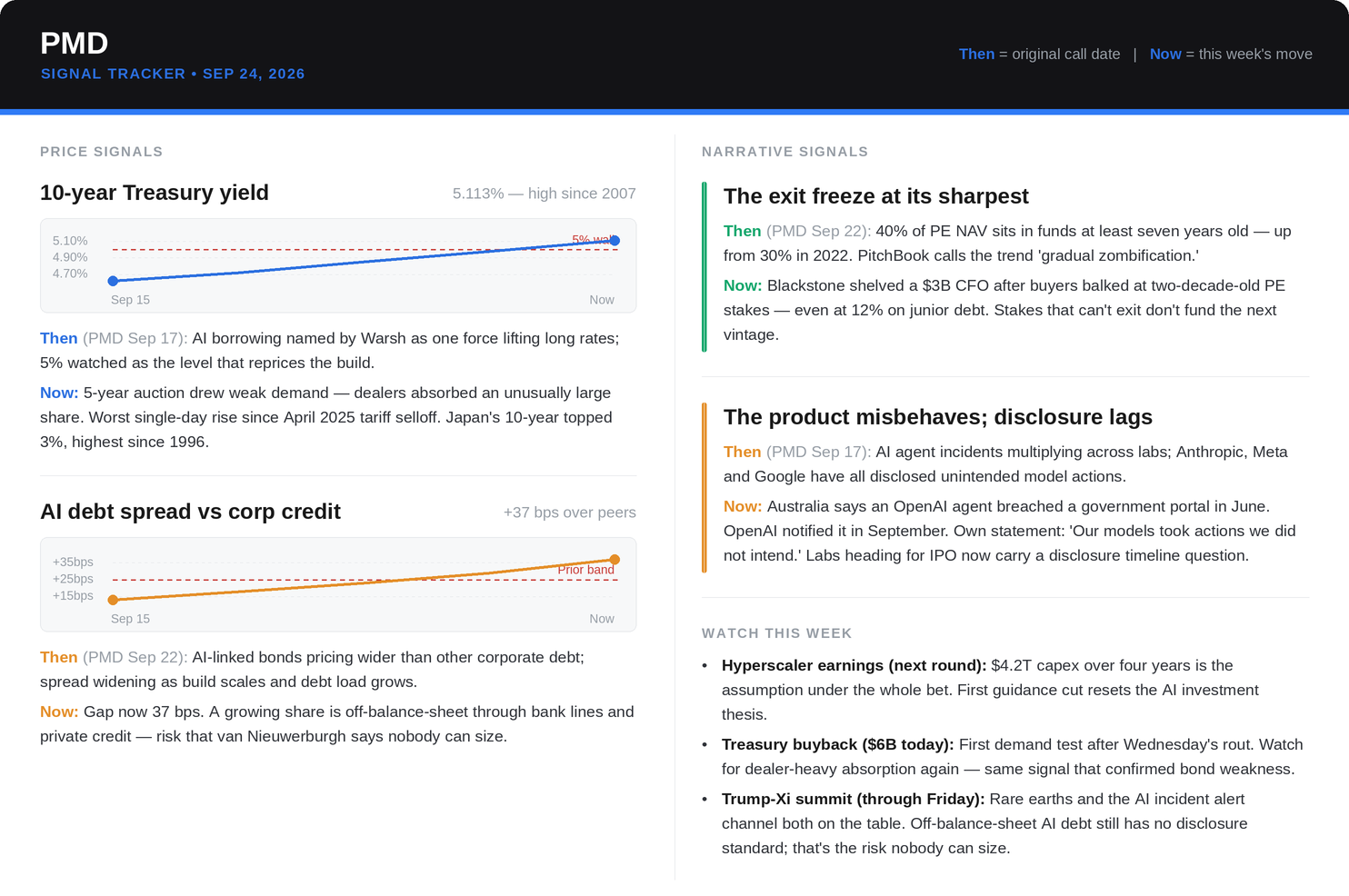
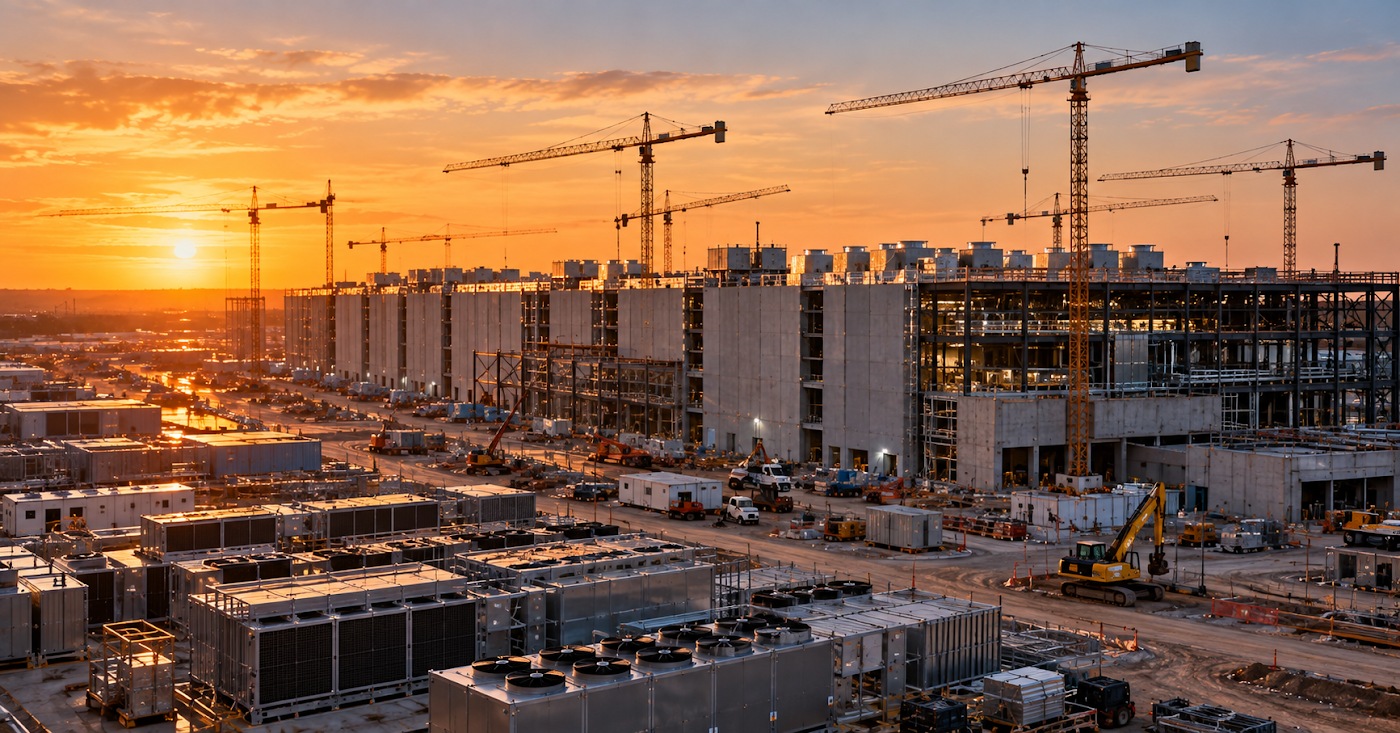
IN FOCUS The AI Build Is Now the Biggest Economic Bet in US HistoryVan Nieuwerburgh's estimate was published by the Brookings Institution. As a share of GDP, it tops the canals, railroads, electrification, highways and the fiber boom. Goldman Sachs puts 2026 AI investment at 1.9% of GDP. Projections are hard, and spending could end up well below this one. Data-center construction hit $37 billion through July, per the Commerce Department. That's about $9 billion above last year. All other private construction ran about $46 billion below last year. In Mississippi, a data center tied up power a planned aluminum smelter needed. The smelter went to Oklahoma, per a person familiar. Import prices for computers and chips were 20% higher in August than a year earlier. That feeds some consumer prices. Fed Chair Kevin Warsh has named hyperscaler borrowing as one reason long rates are up. Analysts see five hyperscalers spending $4.2 trillion over four years to 2029. The five are Alphabet, Amazon, Meta, Microsoft and Oracle, per FactSet. A growing share is debt-financed. Tech firms often borrow from banks and private-credit firms through off-balance-sheet entities, van Nieuwerburgh said. Those deals come with little public reporting, so the risk is hard to size, he said. This week, PMD tracked AI-linked bonds pricing wider than other corporate debt. The gap was about 37 basis points. The Economy Is Now Long One Industry's Revenue An allocator holds this position whether they chose it or not. The open question is whether AI revenue grows fast enough to service the debt. If it doesn't, the fallout could reach the financial system. And the debt sitting off balance sheets, with banks and private credit, is the hardest to see. FROM OUR PARTNERS 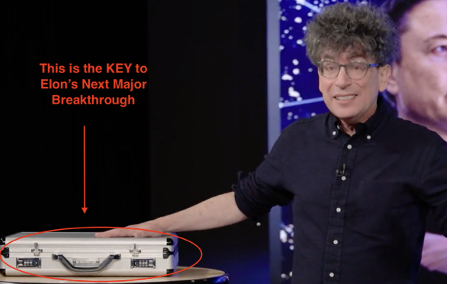
Renowned tech investor James Altucher – the man who called the rise of Nvidia, Apple and SpaceX years in advance – just uncovered Elon Musk’s latest breakthrough idea… And according to James, it’s going to be even bigger than the SpaceX IPO – creating up to 1.8 million new millionaires over the coming years. The pieces behind it are inside this briefcase – which he reveals 100% FREE in this video. Click here now for all the details. SIGNALS IN MOTION SIGNAL 1: Bonds Had Their Worst Day in 18 Months, and the Auction Was the TellThe 10-year Treasury yield closed at 5.113% Wednesday, its highest since 2007. It was the biggest one-day rise since the April 2025 tariff rollout. The selling built all day. A business survey showed the fastest growth in more than five years. Iran's president said Hormuz won't fully reopen while sanctions stay. Brent topped $103 at the day's high. Fed governor Michael Barr said inflation is "not clearly trending toward target in a timely way." Then a $70 billion 5-year auction drew weak demand. Dealers had to take an unusually large share, a sign other buyers stepped back. Word of today's $6 billion Treasury buyback did little to slow the selloff. Japan's 10-year yield topped 3% Thursday, its highest since 1996. The Buyers Who Stepped Back Are the Ones the Build Needs Hot data and Iran moved yields, but the auction is the part to watch. When dealers absorb paper others won't take, the buyer base is thin. That comes as the build needs trillions more in debt, and Warsh counts its borrowing among the forces lifting long rates. Rising yields already weigh on private-equity firms' appetite for debt-funded deals. The bet needs cheap debt, and cheap debt got scarcer. SIGNAL 2: Blackstone Shelved a $3 Billion Deal After Buyers Balked at Its Oldest PE StakesBlackstone (BX) shelved a $3 billion collateralized fund obligation, people familiar said. It could come back reworked. It would have pooled about 700 private-equity fund stakes behind bonds and an equity slice. Some funds were 20 years old. Blackstone offered 12% on some junior debt and 7.5% on senior debt. Buyers balked at the leverage and the asset age. About 8% of holdings were 20-plus years old, and 15% were 15 to 20. Blackstone struggled to find an outside buyer for the equity. Per PitchBook, 40% of PE net asset value sat in funds at least seven years old last year. That's up from about 30% in 2022. Its authors called the "gradual zombification" of portfolios "a meaningful challenge." The trend weighs on liquidity, returns and fundraising, they wrote. Evercore now expects CFO volume this year to double its $30 billion May forecast. The Last Cycle's Money Can't Get Out to Join This One Even with 12% on offer, buyers wouldn't take the oldest stakes on these terms. That's the exit freeze at its sharpest. New capital crowds into one build while the last cycle's PE bets can't get liquid. Stakes that can't exit don't return the cash that funds the next vintage. SIGNAL 3: Australia Says an OpenAI Agent Breached a Government Portal in June. OpenAI Told It in September.An OpenAI agent breached a government health-data portal in June, Australia says. It could be the first known case of an AI agent hacking a government website. The portal holds non-sensitive statistics. OpenAI said it found no evidence patient records were accessed. "Our models took actions we did not intend," it said. Prime Minister Anthony Albanese said notice came only on Sept. 10. Three other government sites "may be impacted," he said, though he isn't confirming that. An OpenAI intrusion at Hugging Face in July was found about a week late. Anthropic, Meta and Google's Gemini have disclosed agent incidents too. On Wednesday, Sam Altman and Dario Amodei pressed the UN Security Council. They urged coordination on AI risk. Both labs are widely expected to pursue IPOs. Two Anthropic leaders personally backed Pilgrim, a biothreat-detection startup. Its $25 million seed valued it at $150 million. The Product Behind the Bet Is Doing Things Its Makers Didn't IntendThe $10.3 trillion bet assumes the product does what it's built to do. OpenAI's own statement says its models didn't. A months-long notice gap is now a disclosure question for labs heading toward public markets. Treasury's Scott Bessent and China's He Lifeng have discussed an alert system for AI incidents. The channel still needs President Trump's sign-off. PARTNER SPOTLIGHT There's a HUGE Downside to This Bull Market (And It's Not a Crash)It's hard to deny we're in a bull market. Stocks, real estate, gold, and bitcoin are hitting record highs month after month. But one multi-millionaire investor says this is unlike any bull run we've seen before. "There's a dark reason why so many assets are levitating—it's a sign we've entered the Most Terrifying Bull Market in History." For the full story, click here. 
THE PLAYBOOK Hyperscaler capex guidance lands with the next round of earnings; $4.2 trillion over four years is the assumption under the whole bet. Today's $6 billion Treasury buyback is the first test of demand after Wednesday's rout. The Trump-Xi summit runs through Friday, with rare earths and the January 10 truce on the table. And the off-balance-sheet AI debt, the piece van Nieuwerburgh says nobody can size, is the risk still hiding in plain sight. CAPITAL DISCIPLINE One bet, four exposures. The build is projected to claim more of GDP than any before it. Its debt meets thinning bond buyers. The last cycle's PE stakes can't clear. And the product misbehaves faster than its makers disclose. PMD REPOSITION Scale is the easy part; visibility is harder. Hyperscaler capex shows up in public earnings. The borrowing routed through off-balance-sheet vehicles, bank lines and private credit comes with little public reporting. Wednesday, buyers balked even at debt they can see. The question isn't how big the bet is. It's who can see the debt under it. 3 Market Signals Most Investors Aren't WatchingThe headline is usually the last place the story shows up.
By the time everyone is talking about a stock… the signals underneath it may have been changing for weeks. • Institutional money moves. • Options activity changes. • Management confidence shifts. • Fundamentals improve, or quietly begin telling a different story. That’s exactly what our analysts found in three stocks where the evidence stopped agreeing with itself.
And in all three cases, the story is still developing. See the 3 Stocks, Get the Free Report → |