MARKET PULSE Rates set the bar for private money this week. Fed minutes showed a bigger hike was floated in October. Traders still see a quarter-point hike in December as close to certain. CME FedWatch put the odds near 90%. The 10-year Treasury yield ended Thursday near 5.04%. A week earlier it was about 5.15%. Higher base rates lift what floating-rate borrowers pay. Stocks gave less cover. The S&P 500 fell for a sixth straight day on Thursday. Nvidia beat the middle of its own sales forecast by $7.8 billion, then gave back the gain. A falling stock is a weak way to pay for a deal. So the tone was set. Cash was there. Whoever brought it set the terms. Here are six themes that showed it. PREMIER FEATURE Every stock on this list carries a high consensus rating across Wall Street and has passed our strict criteria: - Robust analyst coverage
- Market cap of $5 billion or more
- Full bull and bear case built from MarketBeat data and recent news
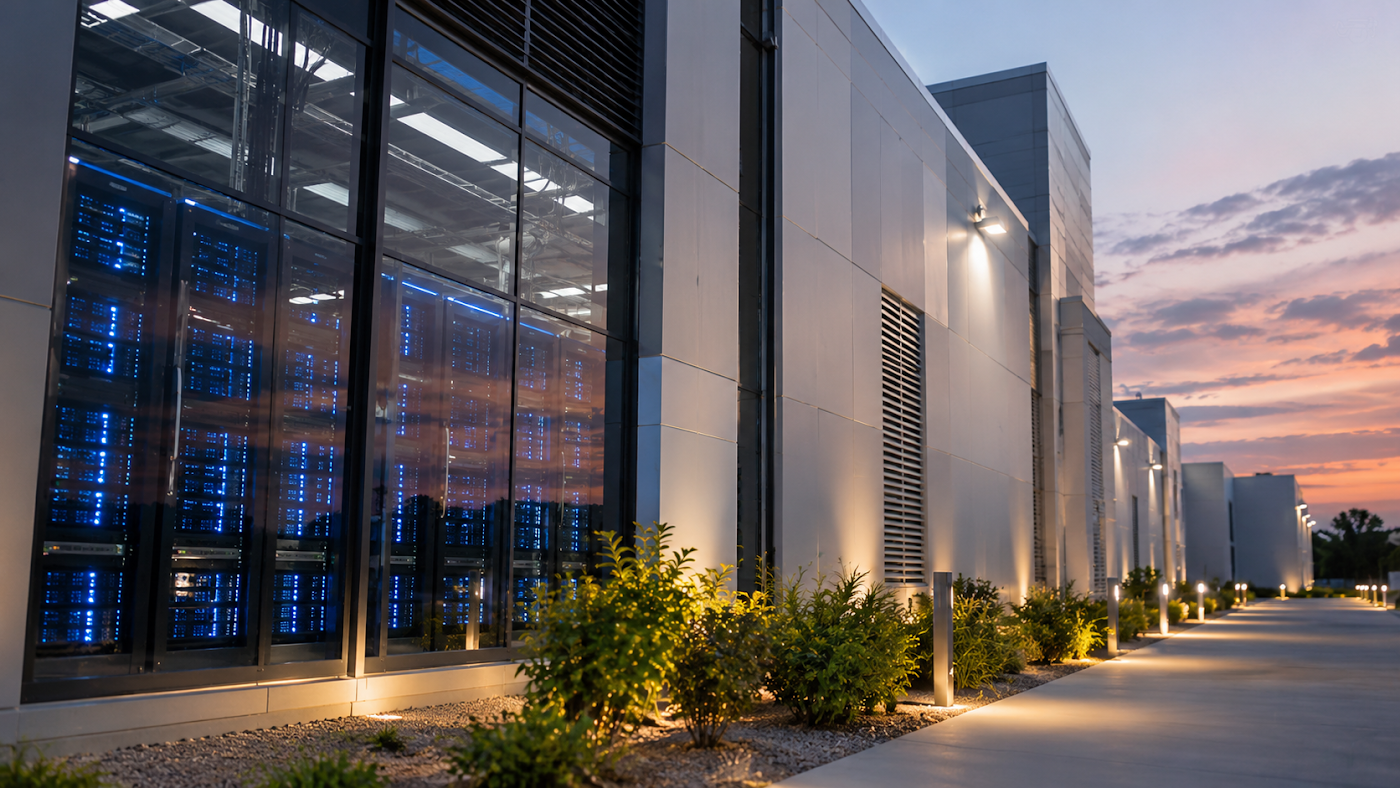
Today, you can get the complete list absolutely FREE. 👉 Send My Free Report THEME 1 Anthropic Priced Above Its Range. Few Holders Can Sell.Anthropic priced its IPO at $83 a share on Wednesday. The range had been $70 to $78. It sold 980 million shares and raised about $81 billion. Seven chip and cloud firms agreed to buy $26 billion more at that price. Google and Nvidia each take about $10 billion. Anthropic (ANT) closed its first day near $97. The company needs the cash. It has signed about $901 billion of deals for computing and buildings. Most run through 2045. About $71 billion falls due in the year after Sept. 30. Only about 7% of its shares trade, by FM's estimate. The Signal This was the week's clear case of buyers paying up. The $83 price values Anthropic above its $965 billion private round in May. That props up late-stage AI marks for now. But few shares trade, and about 3.6 billion may unlock early. The real price shows when those holders can sell. THEME 2 Data Centers Found Buyers. The Buyers Set the Yield.Amazon (AMZN) is selling most of 13 new data centers to a Blackstone REIT. The deal values them at $5 billion. The buyer's starting yield is 7%. Amazon rents all the space back for 12 years, with options to 32. About half the price is borrowed against the buildings. QTS, owned by Blackstone (BX), was on the other side as a borrower. It cut a planned $800 million note sale to about $300 million, a report said. It sold $100 million of notes at a spread of 245 basis points. It did not want a wider spread to set the price on its other debt. The Fed counted over $1 trillion of AI debt. Leases and pledges off the books add over $3 trillion more. The Signal AI building money is there, at a price. A 7% yield is only about 2 points over the 10-year. QTS took less money rather than pay more. Lenders now look past the loans to the leases and pledges behind them. A higher yield on the next sale would show buyers want more pay for the risk. THEME 3 Direct Lenders Took a Loan Banks Could Not Sell.Banks led by Morgan Stanley had backed $1.3 billion of debt for L Catterton's purchase of Fullscript. Loan buyers fell short. Direct lenders took the loan instead, Bloomberg reported. They included Antares, Blue Owl (OWL), Carlyle and Golub. The spread was 4 points over the base rate. That was the cap the banks had agreed to. Lenders paid 96 cents on the dollar. Steady fees still drew bond buyers. Pizza Hut sold $1 billion of bonds backed by its franchise fees to refinance its buyout debt. The biggest slice, $665 million, pays a 7.5% coupon, Bloomberg reported. Ares is leading a €475 million loan to Scholt Energy. It refinances debt and pays a dividend to the buyout owner. The Signal The rescue had a price, and it sat in the discount. With the spread at its cap, the 4-point discount lifts the lenders' return. Strain is building too. Defaults in Houlihan Lokey's private credit data rose to 1.5% last quarter, from 0.8%. More deals like Fullscript would mean buyout firms pay more up front to get debt done. THEME 4 Funds Built Their Own Exits. Sellers Took a Cut.HarbourVest Global Private Equity offered to buy back up to $400 million of its shares. About 90% of the vote backed it. The price is the fund's Sept. 30 asset value less 10%. The offer closed Thursday. BlackRock (BLK) and HPS asked the SEC to let them list interval funds that hold private assets. Each monthly buyback would cover at least 2% of shares. The cap is 25% over three months. The firms say the shares could trade at wide discounts. Pantheon agreed to a €548 million deal to let some Mirova fund holders cash out. Ardent Health's top holder sold stock 18.3% below the last close. The Signal Cash was on offer, but at a cut. HarbourVest holders give up 10% to get paid now. A listed fund would let the market set the exit price in a selloff. Ardent's sale shows what a big holder pays to sell fast. The HarbourVest take-up will show how much holders value cash today. PARTNER SPOTLIGHT Wall Street veteran goes ALL in on Bank of Elon
A 20-year Wall Street veteran – who worked at a $10 billion hedge fund – is putting ALL his money in Elon Musk's new bank. He says he can see the writing on the wall for traditional banks. And he's not the only one. See if you should join him here (not just for the 6% yield). This ad is sent on behalf of InvestorPlace Media at 1125 N. Charles Street, Baltimore, Maryland 21201. If you're not interested in this opportunity, please click here. THEME 5 New Money Went to Managers With Exits.Gemspring Capital filled its fourth buyout fund at its $3.5 billion cap. It took one close and less than three months. Blue Sea Capital raised $800 million for health care, against a $550 million goal. It said its exits this year came to about $1.5 billion of company value. Plural raised €1 billion and kept about a third for firms it already backs. Isomorphic Labs raised $5 billion before any drug reached a trial. Litmus Music secured about $475 million from Carlyle and KKR. The money came from credit funds, not buyout funds. The Signal Money went to managers who could show cash back, or to bets they knew well. Fund investors want payouts before they commit again. Firms with no recent exits face slower raises and less room to do deals. Fast closes for managers with no exits would weaken this read. THEME 6 Buyers Paid Less Than Old Values.TPG and Corpay agreed to take BILL private at $63.25 a share in cash. That values its stock at about $6 billion. The price is 31% above BILL's 60-day average before talks were reported. It is about a fifth of BILL's price five years ago. Corpay puts in $1.1 billion for about a third. It can buy the rest in 2030. Textron agreed to sell its industrial arm to Kingswood Capital for $1.2 billion. That is below the unit's book value. Textron expects a $350 million to $400 million charge. Intuit agreed to sell Mailchimp for about $3.7 billion. It paid about $12 billion in 2021. CVC said it won't finish its signed deal for IRCA, valued near €3 billion. The Signal Deals cleared this week, but at prices that lock in old markdowns. Each buyer had cash and set its terms. The BILL and Textron deals have no financing condition. Sponsors that still hold software bought in 2021 face the same math. Across the week, the side with the cash set the price. Big Pharma Stopped Watching AI Drug Discovery. It Started Paying.Sanofi has paid one AI biotech $144 million in upfront and milestone payments. Eli Lilly invested $40 million in another. Bristol Myers Squibb is putting a third company's AI co-scientist to work inside its own research organization.
The industry's biggest drugmakers used to watch this technology from the sidelines. Now they're customers.
We profiled the 5 companies leading AI drug development in a new FREE Special Report: AI Moves Into the Biotech Lab.
We'll text it straight to your phone. Get the Free Report by Text → | 


