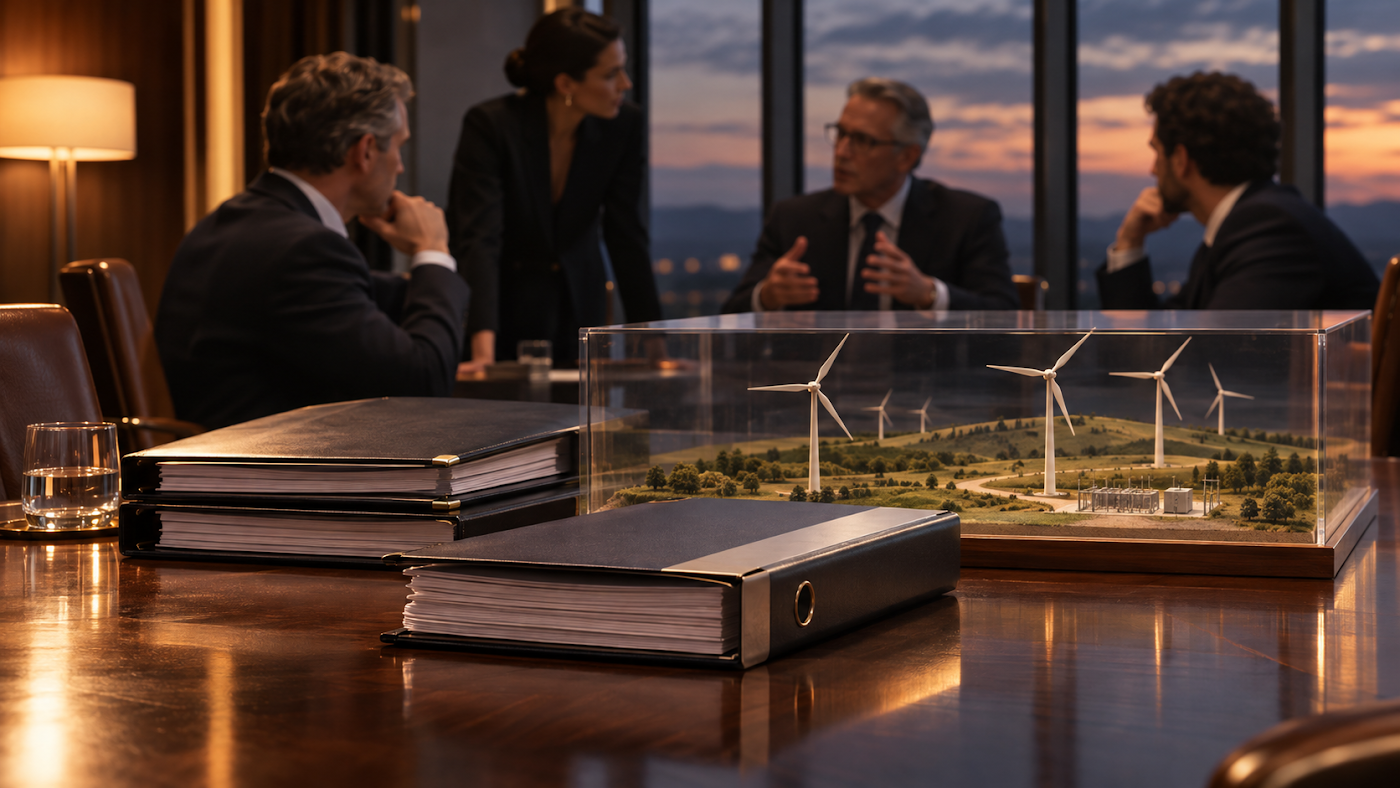
MARKET PULSE The cost of money rose all week. It changed what private buyers would pay for.Jensen Huang resigned as Nvidia's chief on Thursday. Nvidia (NVDA) fell as much as 14%, then closed down 4.3%. Finance chief Colette Kress is now interim chief, days before results. Bonds made the bigger move. The 10-year Treasury yield closed Thursday at 5.1%. On Friday, producer prices rose 0.3% for October. From a year earlier, they were up 6.5%, the most since November 2022. Whole companies got harder to buy. Pieces of them still found money. Here are six themes that showed it. THEME 1 Core Prices Rose 0.3% Again. The Long End Sold Off.Core consumer prices rose 0.3% in October. It was the third month in a row at that pace, and forecasters expected 0.2%. Fed Governor Christopher Waller had said a reading that high means a half-point hike should be considered. The 10-year yield topped 5.1% when bonds reopened Thursday. Demand at the 30-year sale thinned. Bids covered it 2.36 times, down from 2.54 in October. The Signal Floating-rate private loans reset with the Fed, so a December hike lifts what borrowers pay. Long yields set the cost of refinancing buyout debt. With the 10-year above 5%, a deal priced on cheaper money needs a higher return to work. A 10-year back under 5% would ease that squeeze. THEME 2 Two Big Buyouts Stalled. The Stocks Gave Back Their Bids.GFL Environmental's board turned down $52 a share, a report said. The bidders were Blackstone, KKR and Energy Capital Partners. The board wanted $58 or more. GFL then said it will stay public, and its shares fell about 8% that day. Clayton, Dubilier & Rice and GTCR walked away from Global Payments, Reuters reported. The report pointed to the strain of a take-private that large. Global Payments (GPN) fell 12% Thursday. That erased most of its gain from the first buyout report. The Signal Sponsors still bid, but not at any price or any size. A deal this large needs a huge equity check and lenders willing to hold very big loans. With the 10-year above 5%, both cost more. Holders of stocks with buyout talk in the price carry that risk until a bid turns firm. FROM OUR PARTNERS 
Renowned tech investor James Altucher – the man who called the rise of Nvidia, Apple and SpaceX years in advance – just uncovered Elon Musk’s latest breakthrough idea…And according to James, it’s going to be even bigger than the SpaceX IPO – creating up to 1.8 million new millionaires over the coming years. The pieces behind it are inside this briefcase – which he reveals 100% FREE in this video. Click here now for all the details. THEME 3 Pieces Found Money. Fixed Contracts Made Them Bankable.KKR (KKR) took half of two offshore wind farms RWE is building in Britain. Thirty-five banks lent £11.1 billion against them. Each farm has a 20-year contract that fixes its power price. Brookfield agreed to sell half of Enercare to PSP for about C$1.6 billion and keep the rest. Blackstone funds will pay up to $1.5 billion toward trials of a Pfizer obesity drug. They get paid only if it wins approval and hits sales goals. Warburg Pincus is seeking $5 billion for preferred stakes, Bloomberg reported. The Signal Money went where the payoff was set in advance or the risk came in a slice. A fixed power price lets banks lend against the project itself. A half sale returns cash without a full exit. The risk is time, since the wind farms run fully only by 2030 and delays are not covered. THEME 4 Funds Found Cash Without Selling Companies.KKR expects to return more than $40 billion to clients this year. Ares (ARES) raised about €3.3 billion for a continuation fund, Bloomberg reported. It takes 24 loans out of a 2018 fund. Investors in that fund can take cash now or roll over. Blackstone wants at least $3 billion to buy property fund stakes at a discount, Bloomberg reported. The Signal Exits are slow, so managers are building their own ways out. A continuation fund pays investors before borrowers repay. The catch is the price paid for the loans, which is not public. A price well below the old fund's marks would mean those marks were too high. PARTNER SPOTLIGHT 
For the first time in over a century, the dollar is collapsing. Meanwhile, stocks keeping hitting new records. What’s going on? One expert says we’re on the brink of a crisis no American alive today has ever seen. The time it occurred; every investor became a millionaire—but at a terrible cost. For the full story, click here. THEME 5 Private Prices Held. The Money Thinned.OpenAI raised $15 billion, CNBC reported, against a target of as much as $30 billion. Its price stayed at $1.25 trillion, set in October after a cut from $1.4 trillion. The round has not formally closed. Public buyers were less patient. vVARDIS, a Swiss dental company with an Apollo minority stake, priced its IPO at $18. That was 14% below the bottom of its range. The Signal Late-stage private marks lean on a few headline rounds. OpenAI's price held, which supports those marks for now. But half the money at that price suggests fewer buyers would pay it. Anthropic's IPO next week is the next test. Its last private value was $965 billion. JUST FOR YOU (SPONSORED) WARNING: A Major Market Shift Could Hit Stocks in late 2026If you have any money in the stock market, you may want to pay attention. New research points to a massive market-moving event that could send hundreds of popular stocks into a sudden free fall. Holding the wrong stocks when this hits could erase years of gains. That’s why analysts have now identified a list of stocks investors may want to avoid as this event unfolds. If you want to see what’s coming — and which stocks could be most at risk — Click here to get the full details before it’s too late. THEME 6 Paid in Stock, Sellers Took the Buyer's Risk.Hancock Whitney (HWC) agreed to buy Trustmark in an all-stock deal worth about $54 a share. Its own stock then fell 10%, cutting that to about $48.50. The premium shrank to about 6.5%, from 18.6%. BCP Investment Corp. will absorb Investcorp's BDC at 90% of book, paid mostly in its own shares. At market prices, that payout is worth about half. Mitsui Chemicals' shares fell as much as 15% after it agreed to buy JSR, mostly with debt. The Signal When a buyer pays in stock, the seller holds the buyer's risk until closing. This week, the buyers' own holders priced that risk within hours. Cash and fixed contracts gave sellers more certainty than shares did. Across the week, money found defined slices, while whole-company prices gave way. AI Found the Target. AI Designed the Drug. Now It's in Phase III.For years, AI drug discovery had a problem. Plenty of models. Very few medicines.
That's changing. One company says AI identified the biological target and then designed the molecule to hit it. In September, the first patient in its Phase III trial was dosed.
It isn't alone. A second AI-engineered medicine is in Phase III, and Big Pharma is now paying for the technology.
We profiled the 5 companies pushing AI into real drug development in a new FREE Special Report: AI Moves Into the Biotech Lab.
We'll text it straight to your phone. Get the Free Report by Text → |