

The Fed held rates but three officials voted to hike. The 30 year Treasury jumped to a 19 year high anyway. Alphabet and Amazon built much of their earnings beat on unrealized gains from private AI stakes. Credit markets started pricing real default risk across the AI buildout.
Five trading days. Seven threads drove the tape.
The week opened with a fragile calm. Iran had paused its strikes Friday. That calm broke Tuesday night. Iran fired ballistic missiles at US forces. Oil ripped back higher. The Fed held rates Wednesday. Three officials voted to hike anyway.
That was the first three way dissent since 2016.
Long term bond yields did not cooperate with the hold. The 30 year Treasury jumped to its highest level in 19 years right after Chair Warsh spoke. Markets read his comments as a sign he is losing control of the message, not just the vote.
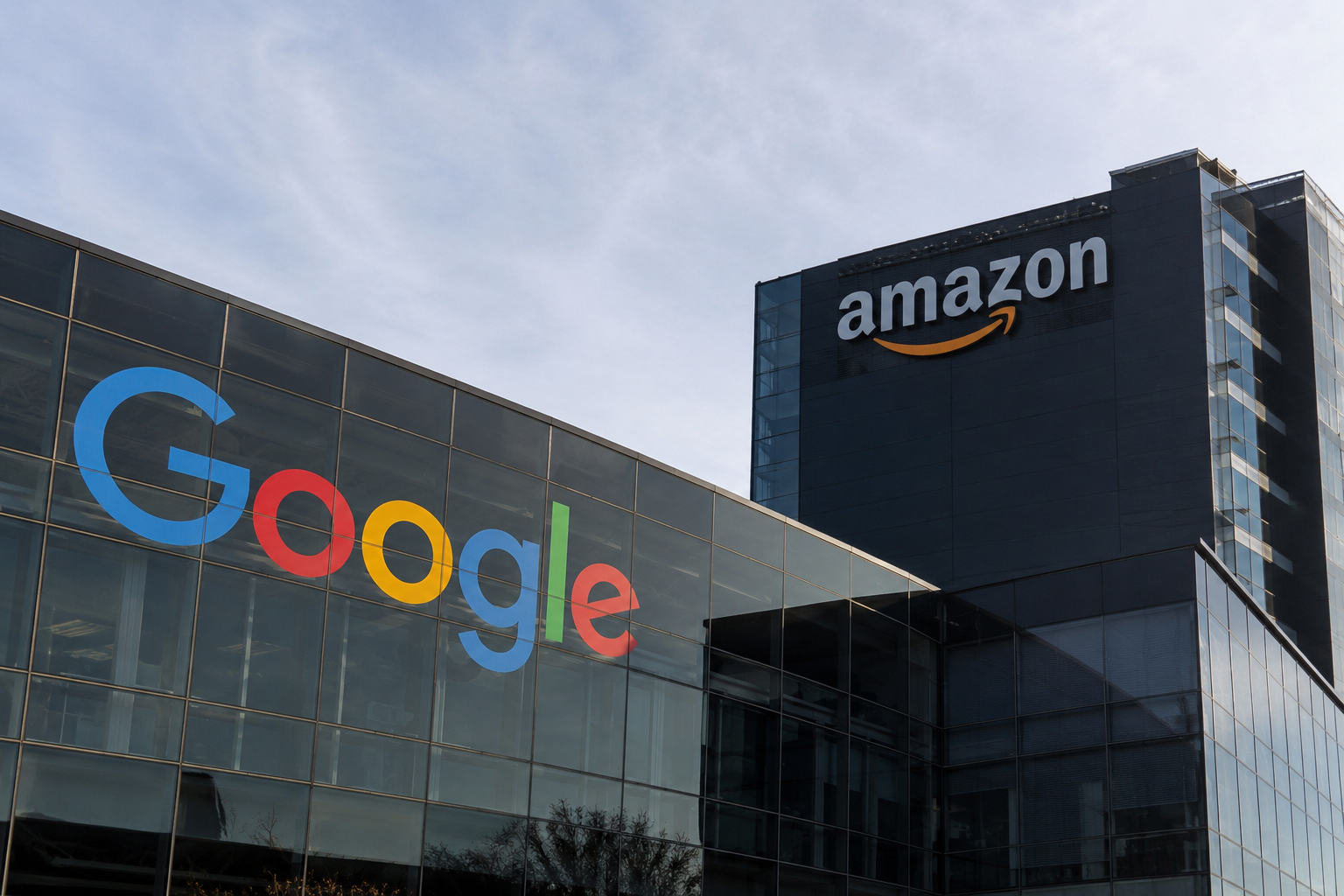
Big Tech earnings added a strange twist. Alphabet (GOOGL) and Amazon (AMZN) both posted huge profit numbers. Much of it came from unrealized gains on their private AI stakes, not cash. Microsoft (MSFT) named real customers behind its growth. Meta (META) could not.
Underneath all of it, the credit market started pricing real default risk into AI debt for the first time. And away from the AI names, oil, tariffs, and a slowing Chinese factory floor kept moving markets on their own schedule.
Here are the seven threads that mattered most.
When the Fed Cuts, These Go First
The rate-cut rally is already taking shape, and our analysts just pinpointed 10 stocks most likely to lead it.
They’ve dug through every chart, sector, and earnings trend to find companies positioned for explosive upside once the Fed eases.
From AI innovators to dividend aristocrats, these are the names attracting billions in early institutional money.
Miss them now, and you’ll be chasing the rally later.
Get the Top 10 Best Stocks to Own in the Second Half of 2026 — free today before the next leg higher begins >>
The Fed Held, Then the Bond Market Called the Chair's Bluff
The Fed kept rates at 3.50 to 3.75 percent Wednesday. Three officials voted for a hike instead: Beth Hammack, Neel Kashkari, and Lorie Logan. That is the first three way dissent since 2016.
Chair Warsh said the market had already done the Fed's work for it. Long term yields answered by rising anyway. The 30 year Treasury jumped as much as 14 basis points. It reached nearly 5.23 percent, its highest level in 19 years. Short term yields fell at the same time. That combination usually means traders expect more inflation and less action, not less of both.
JPMorgan (JPM) moved its own hike call from late 2027 to this December. That happened within hours of the move.
Thursday's data cut both ways. Second quarter GDP growth came in at 1.5 percent, below expectations. More than half of that growth came from AI spending alone. Core inflation actually cooled slightly. The bond market ignored the cool print and kept selling long bonds anyway.
The Signal
Whether the 30 year yield holds above 5.20 percent through the coming week. A level that sticks turns Wednesday from a one day event into the market's new starting point.
Iran Broke the Pause, and the Oil Reserve Has No Room Left
Iran had paused its attacks late last week to allow room for talks. That pause broke Tuesday evening. Iran fired ballistic missiles at US forces in Jordan. Oil ripped back higher overnight. Brent rose more than 3 percent. WTI rose more than 3.5 percent.
The bigger problem sits underneath the headlines. Tanker traffic through the Strait of Hormuz all but stopped Monday. The US Strategic Petroleum Reserve sits at its lowest level since 1983. Government auditors say officials are holding the system together with patches. They do not know how long it will last. More than a quarter of the reserve reportedly cannot even be tapped.
A supply shock is supposed to be a price problem. Someone can release barrels to soften it. This time the backstop is smaller than its headline number suggests.
The Signal
Watch whether Iran answers this week's strikes in Iraq. A second wave would turn this into a sustained fight, right as the reserve has little room left to help.
ICE. The Epstein Files. Tariffs.
That’s what the media wants you to focus on.
But behind the scenes, it seems President Trump is quietly preparing something far more shocking — that will leave even his most loyal MAGA patriots stunned.
It’s NOT being debated on cable news or on X.
But it could make you enormously rich in the second half of 2026.
Alphabet and Amazon Built Big Numbers on Paper Gains, Not Cash
Alphabet drove most of the S&P 500's entire earnings growth so far this quarter. Most of that profit came from unrealized gains. The gains sit on its private stakes in SpaceX (SPCX) and, likely, Anthropic. Alphabet posted negative free cash flow for the first time ever in the same quarter.
Amazon followed a similar pattern days later. It booked more than $50 billion in non operating income. Most of that was a paper markup on its own Anthropic stake. Amazon also raised its 2026 spending plan to $220 billion.
Both companies show strong demand on paper. Both also show a widening gap. Customers have promised to pay more than has actually been collected in cash. Microsoft's own signed but not yet started leases jumped to $329 billion. That is up from under $200 billion just one quarter ago.
The Signal
Watch whether Anthropic's public listing this fall values the company anywhere near the marks Alphabet and Amazon have already booked. A gap either way would ripple straight through both companies' recent earnings beats.
Credit Markets Started Pricing Real Default Risk in AI Debt
The cost of insuring AI related corporate debt jumped sharply this week. One widely used model puts CoreWeave's (CRWV) default odds near 50 percent over five years. Protection costs on Oracle (ORCL), Meta, Amazon, Microsoft, and Alphabet debt all climbed too.
A $12.55 billion bond backing Meta's new data center venture priced at a junk level yield of 7.53 percent. That happened even though the debt itself carries an investment grade rating. Amazon's own $25 billion bond sale barely attracted enough orders to clear. That is well below its usual demand.
The clearest sign came from a fund, not a bank. A $45 billion fund built almost fully around the AI buildout thesis got forced to sell its whole public stock book this week. Its top leveraged positions had fallen more than a third in a single month. Its thesis was not wrong. Its leverage was.
The Signal
Watch whether a second AI focused fund reports similar margin pressure in the next two weeks. A repeat would confirm this was not an isolated blowup.
"A Dangerous Financial Plan Unfolding in D.C. Could Cost You 40% of Your Wealth"
Former Goldman Sachs executive who traded through Black Monday warns this plan is all written down in black and white, spearheaded by a financial insider who infiltrated the Federal Reserve... It's gone "viral" in the hedge fund circles… and yet practically nobody on Main Street understands this financial shock playing out across America. He lays out all the evidence... plus a detailed roadmap for exactly what to do. (And it doesn't require shorting... options... or perfectly "timing the market.")
You must see this critical market briefing today.
This ad is sent on behalf of Stansberry Research, 1125 N Charles St, Baltimore, MD 21201. If you would like to optout from receiving offers from Stansberry Research please click here.
The Chip Fight Widened on Several Fronts at Once
South Korea's stock market fell almost 11 percent Tuesday. It triggered a circuit breaker, its eighth this year. The trigger was a report that a major chip maker might backstop a rival's data center debt. The index then surged back almost 18 percent Friday. Samsung's record profit and Amazon's cloud beat restored confidence in AI chip demand. That kind of four day round trip does not happen in a settled market. The coming week tests whether the rebound holds.
China raised its own stakes too. A state backed company began mass producing domestic chipmaking tools. Chinese chip makers expect delivery this year. The US countered by banning new Chinese humanoid robots and certain power equipment.
Even strong results were not enough this week. South Korea's SK Hynix posted record sales and record profit. Its stock still fell almost 10 percent, because both results missed the market's raised expectations. Apple's (AAPL) outgoing chief executive blamed rising memory costs for a drop in profit margins. He called it a hundred year flood.
The Signal
Watch whether a second major chip name outside Korea reports a similar memory cost hit in the next two weeks. That would turn Apple's comment from a one company problem into a supply chain wide one.
Microsoft Named a Buyer. Meta Could Not.
Microsoft reported cloud growth that accelerated to 43 percent. It disclosed commercial commitments of $678 billion, up 84 percent. Its stock jumped about 9 percent after hours.
Meta told a rougher story. Free cash flow collapsed to $784 million from $12.4 billion the quarter before. Capital spending consumed almost every dollar the company earned. Its Reality Labs division lost another $4.6 billion. On the earnings call, Zuckerberg said Meta had turned down strong offers to sell its spare compute. He named no buyer and no date. Meta's stock fell about 10 percent.
One company showed investors an actual book of business. The other showed a plan it hopes will work out.
The Signal
Watch whether Meta names a specific compute buyer within the next month. Continued silence keeps the concern alive that its growth still depends almost fully on ads.
I Became a Millionaire Here While I Was Still in College
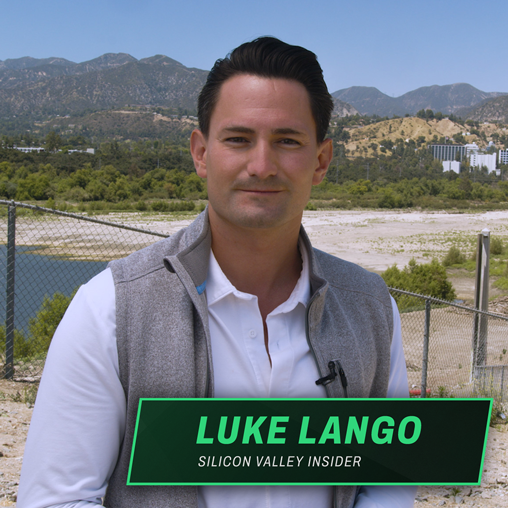
This little-known building in Pasadena is where I learned about a kind of investment most people never get access to. Twenty years later, that same opportunity is wide open again. And it's all because of what's about to happen to OpenAI and Anthropic.
This ad is sent on behalf of InvestorPlace Media at 1125 N. Charles Street, Baltimore, Maryland 21201. If you're not interested in this opportunity, please click here.
The Rest of the Economy Sent Its Own Signals
Not every number this week came from the AI trade. Procter & Gamble's (PG) finance chief said oil near $90 a barrel is a billion dollar after tax cost next year. He described a consumer splitting in two, with wealthier households still buying in bulk and lower income households cutting back at the pump.
The Pentagon signed $135 billion in new multiyear contracts this week. That includes missile interceptors from Lockheed Martin (LMT) and submarines from General Dynamics (GD) and HII (HII). Those deals run seven to twelve years. That is real reshoring money, flowing to suppliers well beyond the usual AI names.
China's own factories sent a warning too. Its factory activity index fell to 49.2 in July, the first contraction since February. A wave of export orders built ahead of new tariffs began to fade.
The Signal
Watch whether a second consumer staples company echoes P&G's oil warning in the next two weeks. That would confirm the household squeeze is broadening beyond one name.
Seven threads, one argument running underneath all of them. The Fed held and got treated like it hiked, because the bond market stopped taking the chair's word as the last word. Iran broke its own pause, and oil found out just how thin the country's safety net has become. Alphabet and Amazon both dressed up their earnings with paper gains from stakes nobody outside the company can yet price. Credit markets quietly started charging real money for the risk that some of this does not work out. The chip war picked a fight on three continents at once. Microsoft showed the market a business. Meta showed it a hope. And underneath all of it, oil, tariffs, and a cooling Chinese factory floor kept moving on their own schedule, with no AI story attached.
None of these threads resolves this week. They compound instead. Every one of them adds a little more weight to the same question sitting on every desk heading into fall. Is the money behind this buildout as real as the growth it is supposed to fund? Or has the market simply gotten very good at not asking?
